 (Image via
Taking control of your finances can feel like a huge challenge, but it is one of the most empowering steps you can take. The world of money management changes quickly, with new tools and ideas emerging all the time. What worked a few years ago might not be the best approach today. You deserve strategies that are effective right now, in 2025.
Rethink Your Budgeting Method
A budget is the foundation of any solid financial plan. It is simply a plan for your money. In 2025, the most effective budgets are flexible and automated, moving beyond pen and paper.
Adopt The 50/30/20 Rule
This is a straightforward way to allocate your after-tax income. It provides a clear framework without getting too granular.
- 50 percent for Needs: This category covers your essential expenses. Think housing, utilities, groceries, transportation, and insurance.
- 30 percent for Wants: This is for lifestyle choices. It includes dining out, entertainment, hobbies, and shopping.
- 20 percent for Savings and Debt: This portion goes toward your financial goals. Use it for retirement savings, building an emergency fund, and paying down debt faster.
Automate With Modern Apps
Technology makes budgeting easier than ever. Apps connect to your bank accounts and automatically categorize your spending. This gives you a real-time view of where your money is going. Popular tools like YNAB (You Need A Budget) and Rocket Money help you track the 50/30/20 rule without manual spreadsheets. Setting up this automation takes less than an hour and can save you from hours of work each month.
Supercharge Your Savings Strategy
Saving money is your key to financial freedom. It protects you from unexpected costs and helps you reach your biggest goals. The strategies for 2025 focus on making saving effortless and rewarding.
Prioritize A High-Yield Savings Account
A standard savings account is not enough anymore. High-yield savings accounts, or HYSAs, offer interest rates that are significantly higher than those at traditional banks. This means your money grows faster just by sitting there. Online banks typically offer the best rates because they have lower overhead costs. Make sure the account you choose is FDIC-insured.
Automate Your Contributions
The "pay yourself first" method is timeless for a reason. Before you pay any bills or spend on wants, set up an automatic transfer from your checking account to your savings account. Schedule this for every payday. Even starting with a small amount, like $50 per paycheck, builds a powerful habit. You will be surprised how quickly your savings grow when you do not have to think about it.
Make Investing Accessible
Investing used to seem complicated and reserved for the wealthy. Now, technology has opened the doors for everyone. Investing is how you build long-term wealth and beat inflation.
Start With Robo-Advisors
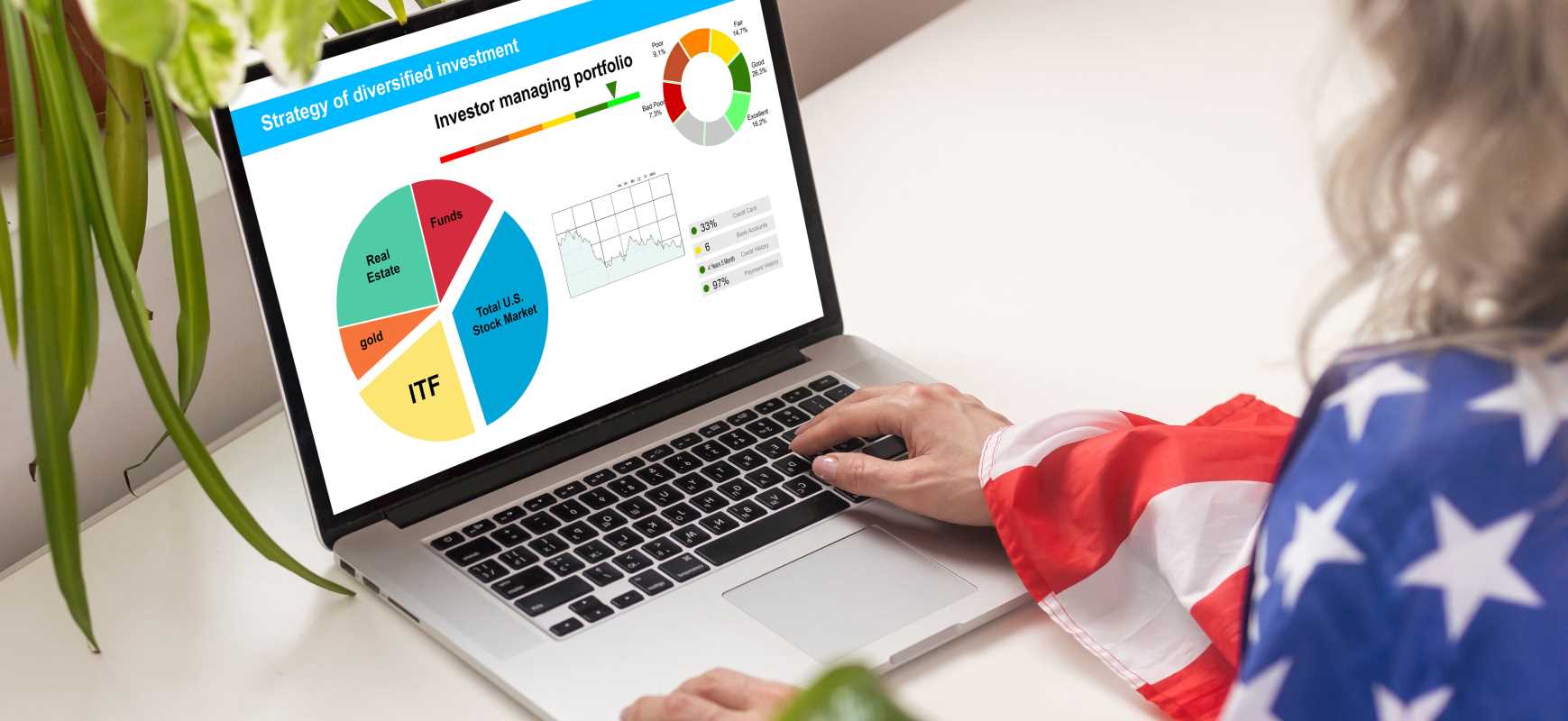
Robo-advisors are a great entry point for new investors. These digital platforms use algorithms to build and manage a diversified investment portfolio for you. You simply answer a few questions about your financial goals and risk tolerance. Services like Betterment and Wealthfront offer low fees and small minimum investment requirements. They make it easy to start investing with as little as ten dollars.
Explore Exchange-Traded Funds
Exchange-Traded Funds, or ETFs, are another smart choice for beginners. An ETF is a collection of stocks or bonds, so you get instant diversification without having to pick individual companies. For example, an S&P 500 ETF lets you invest in 500 of the largest U.S. companies with a single purchase. This approach lowers your risk compared to buying single stocks.
Tackle Your Debt With A Clear Plan
Debt can feel overwhelming, but you can manage it with the right strategy. The goal is to reduce the amount of interest you pay so more of your money goes toward the principal.
Consider The Debt Avalanche Method
The debt avalanche method is often the most effective way to save money on interest. Here is how it works:
- List all your debts, from credit cards to personal loans.
- Note the interest rate for each debt.
- Make the minimum payment on all your debts.
- Put any extra money you have toward the debt with the highest interest rate.
- Once that debt is paid off, roll that entire payment amount over to the debt with the next-highest interest rate.
This method attacks the most expensive debt first, which can save you thousands of dollars in interest over time.
Look Into Debt Consolidation
If you are juggling multiple high-interest debts, consolidation could be a good option. This involves taking out a new loan, often with a lower interest rate, to pay off all your other debts. You are then left with just one monthly payment. A personal loan or a balance transfer credit card with a zero percent introductory offer are common ways to consolidate debt. This can simplify your finances and lower your total interest payments.